
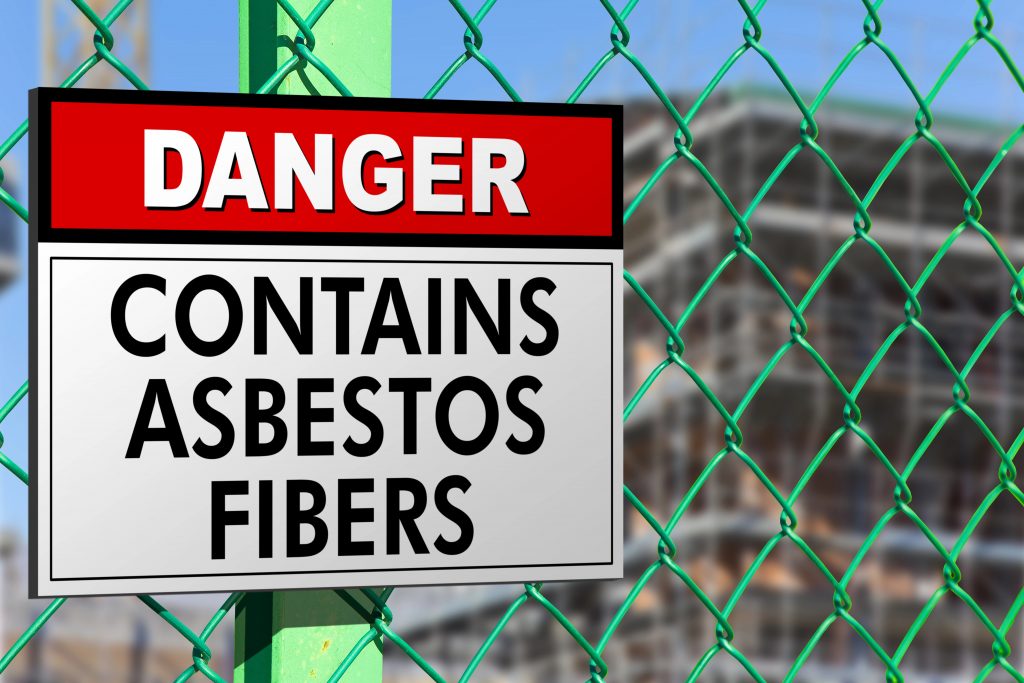
Renovation projects often come with dust, debris, and other air quality concerns. Even if no asbestos was found during the initial inspection, post-reno air monitoring still plays an important role. It helps confirm the space is safe for re-entry and everyday living. Many materials disturbed during construction can release fine particles, mold spores, or hidden fibers that were not detected earlier.
We know how tempting it is to skip the final check if everything looks clean. However, microscopic particles don’t show themselves easily. A post-renovation air test gives clarity before anyone moves back in. That small step provides peace of mind that the air is healthy and no harmful contamination remains.
Disturbance Can Trigger Hidden Dust Sources
Not all materials flagged during a renovation raise alarm at first. Walls, ceiling tiles, and flooring may appear safe visually. Still, once they’re broken or drilled into, fine dust spreads across the home. That dust can travel through vents or settle into textiles. Even small construction changes may agitate debris hidden behind drywall or insulation layers.
Sometimes, original asbestos testing focuses on limited materials or specific areas. If demolition extends beyond that, previously undisturbed zones could expose new risks. Our team always recommends expanding post-reno testing when the scope of work grows mid-project. That approach ensures unexpected materials haven’t released harmful fibers into the air.
For properties that underwent full remediation, especially where asbestos was present, final clearance testing is required. But even when no asbestos was flagged earlier, it’s still worth completing a post-renovation air check. It gives a complete picture of what lingers in the air after all the tools are packed away.
One useful tip is to always vacuum with HEPA filtration after renovation and avoid sweeping dry dust. That prevents recirculating small airborne particles back into the space.
Image Alt Text: air quality test after renovation in Calgary
Internal Link: Learn more about our remediation services in Calgary
Asbestos Can Be Missed in Limited Sampling
Initial asbestos inspections often target a few key surfaces. That approach fits basic projects but doesn’t always cover the full structure. If a contractor only removes drywall, samples may ignore flooring or pipe wrap beneath. Likewise, insulation tucked into attic corners or crawlspaces might not be tested at all. Because of this, even thorough tests can miss isolated patches of asbestos in older homes.
Once the work begins, those untested areas may get disturbed. A crew might cut deeper into walls, remove old tile backing, or scrape hidden ceiling textures. In those moments, tiny asbestos fibers can enter the air unnoticed. That risk remains low in many cases, but it still exists—especially in pre-1990 homes where asbestos was commonly used.
That’s where post-reno air monitoring becomes useful again. It offers a chance to confirm that no unexpected release occurred during the process. And it’s much easier to address now than later when the home is furnished and in use.
A few small samples at the beginning might not tell the whole story. That’s why our remediation services team believes in testing both before and after work, especially for homes with unknown material histories.
Internal Link: Explore our approach to asbestos removal in Calgary
Air Quality Is About More Than Just Asbestos
Many people focus solely on asbestos when thinking about renovation risks, but indoor air quality includes other concerns too. Paint fumes, adhesives, sawdust, and drywall particles all stay in the air longer than we expect. Some of these irritants don’t smell or settle quickly. They can affect people with allergies, asthma, or even healthy lungs.
Post-reno monitoring helps check for these issues as well. Tests can look for general particulate matter or volatile organic compounds (VOCs). If paint was used heavily or synthetic flooring was installed, VOC levels might spike temporarily. Without air testing, it’s hard to know when the home becomes truly safe to reoccupy.
Even in homes with no asbestos history, we’ve seen cases where VOCs stayed above safe limits for days after work was done. Simple fixes like improving ventilation or running air scrubbers helped—but only after monitoring showed the issue.
Families with children, pets, or seniors often benefit most from these final checks. Their bodies respond more quickly to minor air quality changes, and extra steps like this reduce risk right from the start.
External Link: Health Canada – Indoor Air Quality
Delayed Exposure Can Lead to Costly Cleanup Later
Waiting to monitor air quality might seem harmless at first, especially if renovations finish smoothly. But hidden dust and fibers can cause issues weeks later. People often report strange odors, persistent coughs, or unexplained allergies after moving back into a space. In some cases, the source is lingering post-reno contamination that wasn’t caught early.
Once furniture, rugs, and personal belongings are inside, cleanup becomes harder. Airborne particles settle into fabrics and electronics. Re-testing at that stage often means repeating removal steps and cleaning multiple rooms. That delay adds stress and extra cost—something that’s easy to avoid with early air sampling.
We’ve helped clients who skipped final testing during renovations only to discover later their HVAC system spread dust throughout the house. That’s why proactive steps now save trouble later. By scheduling a test right after the work wraps up and before move-in, we get the clearest results.
HVAC filters should also be changed immediately after a project, even if the ducts look clean. It’s one of the fastest ways to keep recirculated air fresh and safe.
Internal Link: Book a site visit today using our contact form for remediation experts
FAQs
What does post-renovation air monitoring actually test for?
It checks for airborne particles like asbestos fibers, mold spores, dust, and chemicals released during construction.
Is air monitoring still useful if the renovation was small?
Yes, even minor work can stir up hidden contaminants or expose untested materials, especially in older homes.
Can poor air quality still be a risk even without asbestos?
Absolutely. Dust, paint fumes, and adhesives can affect breathing comfort and indoor safety for sensitive groups.
When is the best time to test the air after renovations?
Right after the work ends and before you move belongings back in. That gives the most accurate reading.
Is air testing expensive or time-consuming?
Not at all. Most tests are quick and affordable, and they provide useful information to ensure a healthy space.