
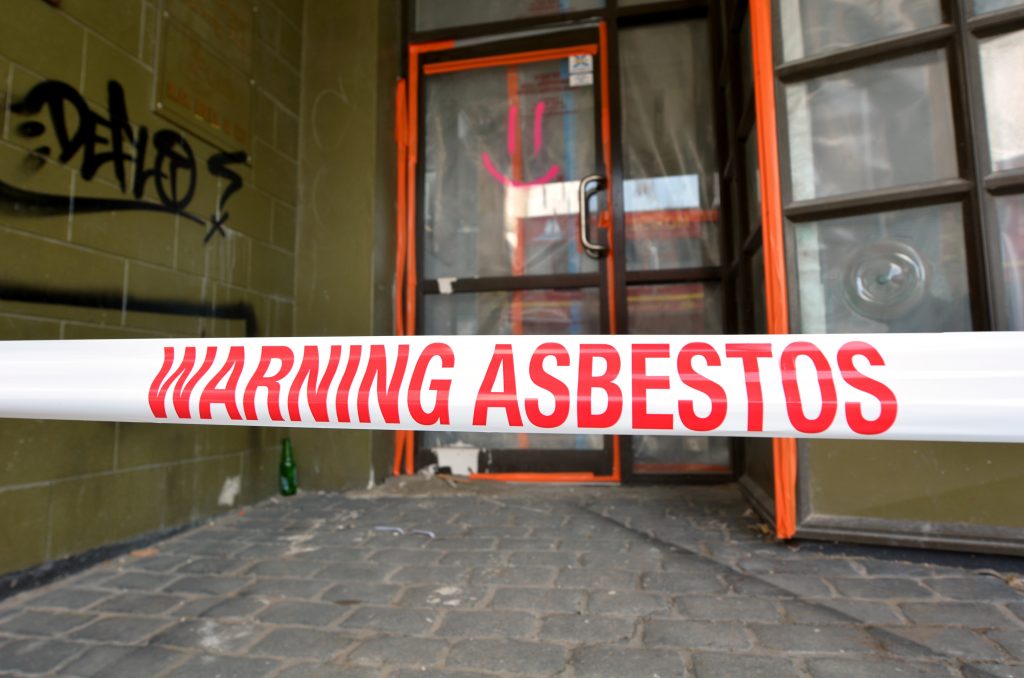
Disrupting Hidden Asbestos in Older Homes
Renovating older homes often feels exciting, but it also carries hidden risks. One of the biggest threats we uncover during these projects is asbestos. Many houses built before the late 1980s still contain materials with asbestos, and that includes ceiling textures, floor tiles, pipe wrap, drywall mud, and even siding. When these materials stay undisturbed, they may not pose a direct threat. However, renovations change that.
Cutting, drilling, or demolishing areas that contain asbestos causes tiny fibers to become airborne. Once disturbed, they easily enter the lungs and settle deep inside, where they can lead to long-term health issues. Therefore, we always recommend planning ahead with proper safety measures before starting demolition work. Before any walls come down, we help clients understand what materials may contain asbestos and whether certified testing is needed.
Why Disturbed Asbestos Is So Dangerous
Breaking asbestos-containing materials causes microscopic fibers to float into the air. These fibers are sharp, nearly invisible, and very difficult to filter out using common masks or vacuums. Once inhaled, they can become lodged in lung tissue. As a result, the body struggles to clear them, which can lead to scarring over time. This condition, known as asbestosis, restricts breathing and worsens year by year.
More importantly, prolonged exposure increases the risk of mesothelioma and other lung cancers. Renovations often release asbestos in bursts, but repeated work in contaminated areas can accumulate a harmful amount. That’s why we often explain to homeowners that even short-term exposure, if intense enough, can carry serious risk. Using proper containment during demolition helps lower this danger significantly.
Common Renovation Tasks That Trigger Exposure
Some renovation steps release more asbestos than others. For example, removing popcorn ceilings almost always generates airborne particles. Pulling up old linoleum flooring with black mastic glue or cutting into drywall can expose older joint compounds. Opening wall cavities where insulation or pipe insulation exists also carries major risk.
In many older homes, even removing kitchen cabinets exposes original materials behind them. Bathrooms are another danger zone. Underneath old tile, around water heaters, and behind shower walls are areas where asbestos materials were commonly used. To stay safe, we first assess what work is planned and then determine what testing or control steps are required. Our team never guesses when safety is at stake.
Why DIY Asbestos Handling Is Never Safe
We often speak to homeowners who plan to manage their own renovation. While that’s understandable, handling asbestos without the right training and equipment is extremely unsafe. Regular tools like shop vacs, dust masks, and tarps do not stop fibers from escaping. In fact, trying to remove old ceiling texture or tile without proper procedures spreads contamination throughout the house.
To prevent that, we use certified containment barriers, negative air machines, and safety protocols. This includes sealing off HVAC vents and using disposable suits during the work. Asbestos remediation work must follow regulated steps in Alberta, and those rules exist to protect families. We’ve seen too many situations where DIY removal created a larger cleanup problem that could have been avoided.
How Testing Confirms What Needs to Be Removed
Before beginning any asbestos removal, we arrange a third-party lab test to confirm the presence and type of asbestos. This step removes all guesswork. Different materials require different handling, so knowing exactly what is there shapes the entire plan. Ceiling texture and pipe wrap, for instance, need different disposal methods.
The testing process is simple and fast. We collect a small sample of the material using safe techniques, then send it to a certified lab. In most cases, results come back within a few days. For urgent jobs, rush testing is available. Once confirmed, we follow the safest procedure to handle the removal and disposal process. Clients searching for licensed asbestos removal in Calgary often ask us to coordinate the entire process, from testing to final clearance.
Timing Matters for Remediation Work
Sometimes homeowners ask if asbestos work can wait. In renovation settings, delaying removal often makes things worse. The more demolition proceeds without identifying hazards, the more fibers enter the environment. That increases contamination on surfaces and personal belongings. Carpets, ductwork, and furniture can all trap particles.
We suggest dealing with hazardous materials early, before general demolition begins. Planning the timing right protects both the family and the renovation crew. Once asbestos is safely removed, other trades can work without concern. More importantly, it prevents unexpected delays in the middle of the project. For anyone searching for remediation services in Calgary, it’s helpful to start with this step before any other work.
Renovation Contractors Are Not Always Prepared
Many general contractors don’t have the equipment or certifications to handle asbestos safely. They may continue working without realizing a hazard exists. That’s why homeowners should ask for documentation when hazardous materials are suspected. Renovation contractors are great at their trade, but hazardous material handling requires separate training and licenses.
When asbestos is discovered during renovation, the project often pauses until certified removal is complete. We’ve helped homeowners avoid major delays by identifying these risks early and coordinating removal before other trades arrive. In some cases, we even get called mid-project after a contractor hits an unexpected material. By then, fibers have already spread. Starting with a licensed team makes the entire process more efficient.
Safe Disposal Prevents Long-Term Hazards
Once asbestos is removed, it can’t go in regular garbage or be burned. It must be bagged, sealed, and labeled using approved disposal methods. The province regulates how and where asbestos waste is taken, and dumping it incorrectly carries serious penalties. More importantly, unsafe disposal risks spreading contamination to other properties or water systems.
Our team follows disposal protocols from start to finish. We track every bag from the site to the disposal location and provide documentation for records. This protects homeowners and ensures no future liability. For any client planning a major renovation, we offer full hazardous material disposal support with clear documentation throughout.
What Makes a Safe Remediation Crew
Not every company follows the same standards. That’s why we encourage people to ask clear questions before hiring anyone to handle asbestos. Are they licensed? Do they follow provincial guidelines? Do they provide clearance reports when the job is done? Are they insured for hazardous work? The answers should always be yes.
A professional team will not rush the work or skip steps to save time. They wear full PPE, set up sealed work zones, and use HEPA equipment for air scrubbing. After removal, they arrange for third-party air testing to confirm it’s safe. Clients who want full transparency often reach out to us using the remediation safety contact form to schedule a walkthrough and understand what we include in our service.
Frequently Asked Questions
What materials in older homes often contain asbestos?
Many older homes contain asbestos in ceiling texture, drywall joint compound, vinyl flooring, pipe wrap, insulation, and some siding products.
How do I know if my renovation will disturb asbestos?
If the home was built before 1990 and your project involves demolition, there is a high chance asbestos could be disturbed. Testing is the safest way to confirm.
Can I stay in the house during asbestos removal?
In most cases, we recommend staying elsewhere during removal. This reduces risk and prevents fibers from spreading to clean areas.
How long does asbestos removal usually take?
Most residential removal jobs take one to three days, depending on the size and type of material. Testing and air clearance can add time.
What happens if asbestos is found after renovation starts?
If asbestos is found mid-renovation, all work must stop until certified removal is complete. This helps prevent further exposure or contamination.