
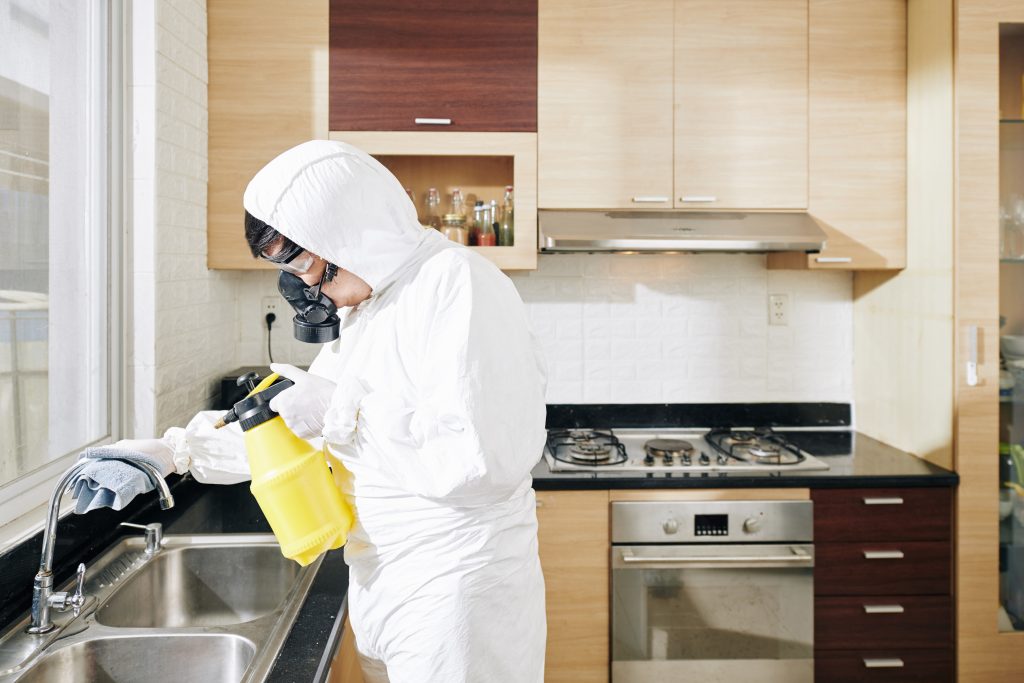
A small fire cleanup can look simple at first, but hidden damage often keeps working long after the flames are out. Therefore, at Top of the Line Services LTD, we treat even minor incidents like a full investigation, because smoke, heat, and water can spread farther than most people expect.
Why “small” fires still create big risk
A quick kitchen flare up or a small electrical burn can still push smoke into vents, wall cavities, and attic spaces. As a result, odors and soot can settle behind trim, inside insulation, and on the back side of cabinets. To clarify, if we only clean what we can see, the problem often returns as soon as the home warms up again.
Heat also changes materials in ways that are easy to miss during a fast walkthrough. However, plastic, wiring jackets, and adhesives can soften, warp, or off gas, even when the surface looks fine. Moreover, that lingering smell is often a signal that residues are still present, not just a temporary nuisance.
What smoke and soot actually do indoors
Soot is not “just dust,” because it can be oily, acidic, and stubborn on painted drywall, textiles, and finishes. Therefore, the longer it sits, the more it can stain and bond to surfaces. For example, light colored ceilings can yellow, and stainless steel can dull from repeated wipe downs that do not remove the residue.
Smoke also travels into HVAC systems, and that is why people notice the odor again when the furnace turns on. In other words, the air movement keeps redistributing fine particles. Consequently, a proper plan needs containment, targeted cleaning, and verification, not only deodorizer sprays.
Small fire cleanup checklist we follow on site
We start by mapping where smoke likely traveled, not only where the flames were visible. Secondly, we check for soot patterns on returns, supply vents, door tops, and cabinet interiors, because those areas often show the real spread. Meanwhile, we set up safe work zones so residue does not get tracked through clean rooms.
After that, our team removes loose soot with the right vacuum tools and controlled techniques. However, we avoid smearing residues into surfaces, since that can make staining worse. Most importantly, we choose cleaning methods that match the material, because drywall, wood, tile, and fabric all respond differently.
Odor that keeps coming back
When people say, “It smells fine today, but comes back tomorrow,” we usually find residues in porous materials. Therefore, insulation, unfinished wood, and fabrics often hold smoke compounds. To clarify, cleaning the air without cleaning the source rarely solves the issue.
In some homes, deodorizing alone masks the problem while corrosion continues on metals and electronics. Consequently, we focus on source removal first, and then we confirm results with practical checks that make sense for the building.
Cleaning methods that reach what you cannot see
Some situations call for detailed hand cleaning, and others need specialized media cleaning to lift residue from textured or hard to access surfaces. For instance, dry ice blasting Calgary can help remove soot from framing, masonry, or industrial style surfaces without soaking materials. However, we only use the method when it matches the site, because every project needs the right level of force and control.
If the fire involved wiring, appliances, or a panel area, we also look for signs of heat stress and residue buildup. Moreover, we coordinate steps so each trade works safely, and so cleanup does not hide problems that should be repaired.
Water used to put out the fire can create a second disaster
Even a small fire can trigger sprinklers, extinguisher use, or heavy water from quick response. Therefore, moisture can move into subfloors, wall bottoms, and insulation. After that, microbes can start growing if drying does not happen fast and thoroughly.
That is why we often combine fire cleanup with structural drying Calgary when moisture shows up in materials that cannot dry on their own. Consequently, we track humidity and material conditions, so the building returns to a stable, safe state.
Fire damage restoration is more than wiping soot
True recovery means removing residues, restoring materials, and confirming that air movement will not re spread contaminants. Therefore, fire damage restoration should include careful inspection, controlled cleaning, and a plan for odor control that follows source removal. In the same vein, we document conditions as we go, so the next steps stay clear and organized.
We also pay attention to soft goods like curtains, rugs, and upholstered furniture. However, not everything can be saved, and part of our job is helping homeowners make smart choices without guesswork. Above all, we aim for results that hold up weeks later, not only the day we leave.
Hidden mold risk after smoke and water
When smoke cleanup and moisture overlap, mold becomes a realistic concern in concealed spaces. Therefore, if we find damp insulation, wet drywall edges, or elevated humidity, we address it early instead of waiting for visible signs. For example, musty odor in a “clean” room can point to damp materials behind baseboards.
When needed, we integrate mold remediation Calgary steps into the recovery plan so the home does not trade one problem for another. Consequently, the cleanup stays complete, and the building stays healthier over time.
What to do right after a small fire
Firstly, avoid running fans that push soot deeper into surfaces unless a pro sets up proper containment. Secondly, limit HVAC use if you smell smoke through vents, because the system can spread particles. Meanwhile, take photos and list affected items, so decisions stay easier later.
After that, get a professional assessment even if the damage looks minor. Most importantly, at Top of the Line Services LTD, we can connect the dots between smoke travel, odor sources, moisture, and surface damage, so nothing gets missed. If you want a full picture of how our team supports recovery work, you can start with restoration services in Calgary.
FAQs
Can a small kitchen fire cause damage outside the kitchen?
Yes. Smoke can move through hallways, vents, and door gaps, so residue and odor may show up in bedrooms, closets, or the basement. Therefore, a whole home check helps confirm what actually got affected.
Why does the smoke smell return after we clean the room?
Odor often comes from residues inside porous materials like drywall paper, insulation, wood, and fabrics. As a result, surface wiping alone may not remove the source, and the smell can return when the home warms up.
Is it safe to stay in the home after a small fire?
Sometimes it is, but it depends on soot levels, air quality, and whether moisture is trapped in materials. To clarify, a professional assessment helps confirm what areas are safe and what needs controlled cleanup.
What is the biggest mistake people make after a small fire?
The biggest mistake is treating it like a cosmetic issue and skipping inspection for hidden soot and moisture. Consequently, odors, staining, corrosion, or mold can show up later and cost more to correct.
How fast should drying start if water was used to put out the fire?
Drying should start as soon as possible, ideally the same day, because wet materials can start deteriorating quickly. Therefore, early drying and monitoring reduces the chance of swelling, delamination, and mold growth.