
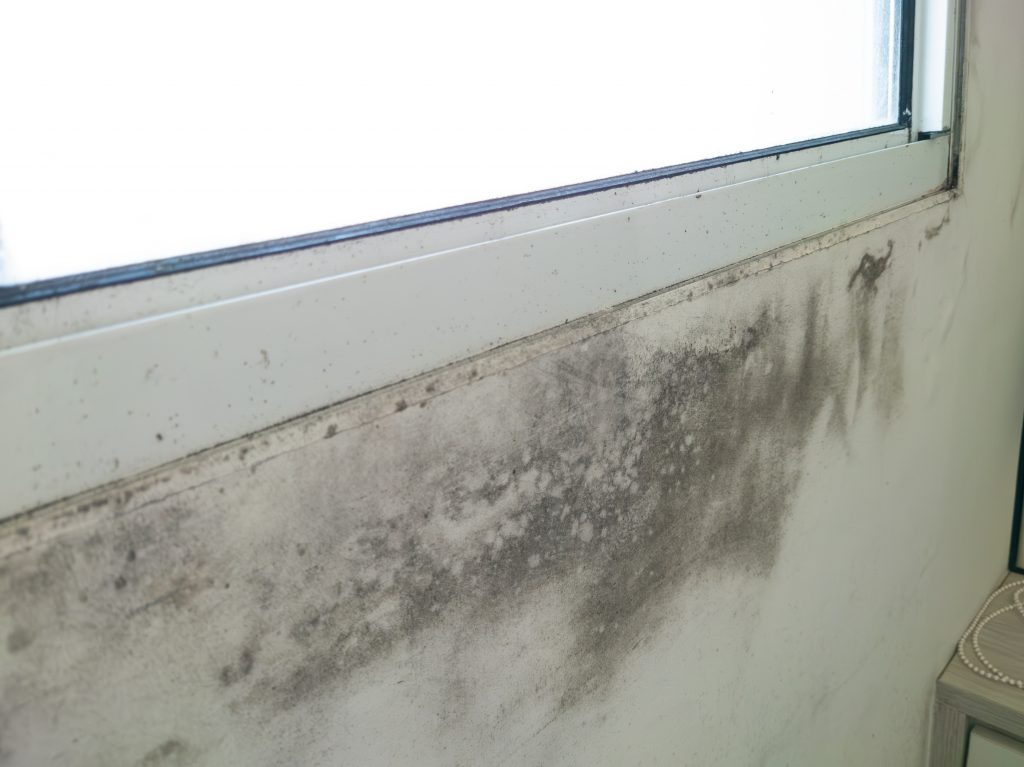
A recurring mold problem almost never means the mold is “stronger” than before. Instead, it usually means the room still has the same moisture pathway that fed the first growth. Therefore, if that pathway stays active, mold can return even after a good surface cleanup. At Top of the Line Services LTD sees this pattern most in bathrooms, basements, bedrooms with exterior walls, and laundry areas.
Recurring Mold Problem Starts With Moisture
Mold needs moisture first, and the room keeps supplying it in a repeatable way. That is to say, the air, the materials, or both keep crossing the damp threshold long enough for spores to settle and grow. However, the moisture source is often subtle, so it gets missed during a quick wipe down. A small plumbing seep under a vanity, a slow tub overflow behind tile, or a pinhole leak in a radiator line can dampen drywall for weeks. Consequently, the room can look “dry” on the surface while the cavity stays wet.
Hidden leaks behind finished surfaces
A wall can hide moisture for a long time if paint, tile, or vinyl wallpaper slows evaporation. For example, a shower valve leak might only show as a faint stain, but the backside of the wall can stay damp daily. In other words, the mold is not returning for no reason, it is returning to the same food source that never dried out.
Humidity Traps That Keep Feeding Mold
Even without a leak, humidity alone can restart growth in the same spot. Meanwhile, some rooms create a humidity trap because warm, wet air has nowhere to go. Bathrooms without a strong fan, bedrooms with closed doors and heavy curtains, and basements with poor air movement often hold moisture longer than people expect. As a result, condensation forms on cold corners, windows, and exterior wall studs.
Condensation in corners and along exterior walls
Cold surfaces pull moisture out of the air, especially during Alberta temperature swings. However, the wetness may show up only at night or early morning, so it goes unnoticed. To clarify, mold can regrow when condensation repeats frequently, even if the room feels comfortable during the day.
Wet insulation and cold cavities
If insulation is compressed, missing, or damp, the cavity gets colder and stays wetter. Therefore, the same corner becomes the “mold corner” every season. At Top of the Line Services LTD often confirms this by checking for moisture patterns and temperature differences instead of guessing.
Drying Was Not Completed All The Way
Many mold comebacks happen after water events that seemed minor at the time. Firstly, a small flood, a dishwasher leak, or a wet carpet incident can soak materials under the surface. Subsequently, the area dries visually, but the structure stays damp inside. That is why targeted drying matters, not just air fresheners and paint.
If a previous incident involved wet drywall, framing, or subfloor, proper structural drying Calgary work helps remove moisture from the materials that actually hold it. Consequently, when drying is incomplete, mold returns right where the hidden moisture stayed.
Drywall and baseboards that stayed wet
Drywall acts like a sponge, and baseboards can trap moisture at the bottom edge. For instance, water can wick upward from a wet floor and create a damp band that keeps feeding mold. On the other hand, replacing only the visible section sometimes leaves wet material behind the trim, which restarts the cycle.
Contaminated Materials And Spread In The Same Room
Even after cleaning, spores can remain in porous items and reintroduce mold to the same area. That is to say, the room becomes a storage place for the problem. Soft furniture near an exterior wall, carpeting over a damp slab, and cardboard boxes in a basement can hold spores and moisture together. Moreover, some DIY cleaners remove staining but do not remove embedded growth from porous surfaces.
When cleaning turns into cross contamination
Scrubbing without containment can spread spores through the room. Therefore, mold may “return” because it was redistributed, not eliminated. In addition, fans that blow across active growth can move spores into closets, vents, and adjacent rooms.
For surfaces like framing, concrete, or certain unfinished materials, dry ice blasting Calgary can remove contamination without saturating the area with water. As a result, the cleaning step supports the drying goal instead of fighting it.
Smoke And Fire Damage Can Set Up Mold Later
Fire and smoke events can create conditions that support future mold growth, especially when water is used to control the fire. Meanwhile, soot residues can affect surfaces and odors, and water can move into wall cavities and insulation. Consequently, even if the visible fire damage is addressed, a damp cavity can become the next mold problem weeks later.
If a room had a fire incident, fire damage restoration work should include moisture checks and controlled drying where needed. In other words, preventing mold after a fire depends on confirming dryness, not just cleaning and rebuilding.
The Fix Is A Process, Not A Single Product
A recurring mold problem ends when the moisture pathway is found, corrected, and verified dry. Above all, the room needs a repeatable plan: identify the moisture source, remove contaminated materials when required, clean correctly, and dry to safe levels. At Top of the Line Services LTD starts by tracing why the same area gets wet, then applies the right remediation steps based on the material type and the source.
If mold keeps returning, begin with a full look at moisture history, ventilation habits, and hidden cavities. For example, check fan performance, confirm bathroom venting to the exterior, and monitor humidity after showers. Likewise, if there was any past leak, confirm that the inside of the wall is dry, not just the paint.
For ongoing guidance and service options, visit At Top of the Line Services LTD and review the approach used for mold remediation Calgary. Therefore, the room stops cycling back into the same problem because the cause gets removed, not covered.
FAQs
Why does mold come back after I clean it with bleach?
Bleach can lighten staining, but it often does not remove growth embedded in porous materials. Therefore, if moisture remains in drywall, wood, or caulking, mold can regrow in the same location.
Can a room have mold without any visible water leak?
Yes, high humidity and condensation can create enough moisture for growth. For example, cold exterior corners and poorly ventilated bathrooms can stay damp long enough for mold to return.
Why is mold always in the same corner of the room?
That corner may be colder, have less airflow, or hide damp insulation. Consequently, it becomes a repeat condensation point and the same area keeps feeding mold.
Do I need to remove drywall to stop recurring mold?
Sometimes, yes, especially if the drywall cavity is damp or contaminated. However, the decision depends on moisture readings, material condition, and how far the growth has spread behind the surface.
What is the fastest way to prevent mold from returning?
Fix the moisture source and confirm the area is fully dry. In addition, improve ventilation and control indoor humidity so the room does not recreate the same damp conditions.