
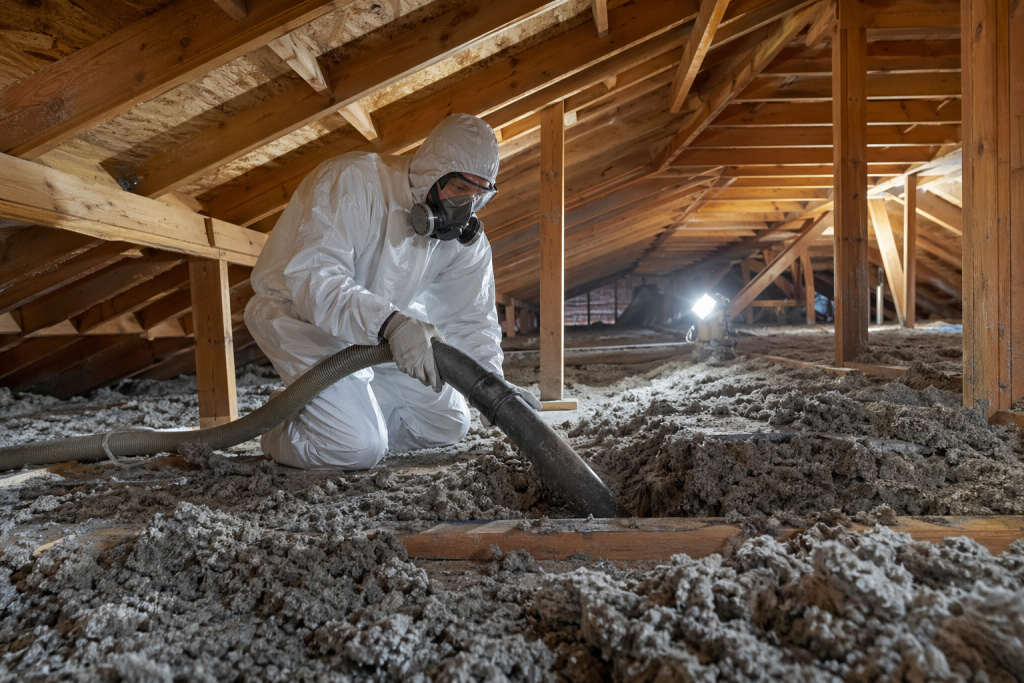
Attic insulation removal is one of the most impactful steps a homeowner can take to improve indoor air quality and lower energy costs. Top of the Line Services LTD helps Calgary homeowners tackle this critical task with precision and care. Old, damaged, or contaminated insulation traps pollutants, blocks proper airflow, and forces your heating and cooling systems to work harder than they should. As a result, when you address this problem early, you protect your family’s health and reduce your monthly utility bills significantly.
Why Old Insulation Becomes a Problem
Insulation does not last forever. Over time, it breaks down, absorbs moisture, and becomes a breeding ground for mold, bacteria, and pests. Specifically, rodents nest inside attic insulation and leave behind waste that contaminates the air your family breathes. Mold spores then travel through your ventilation system and spread to living spaces below. These issues do not resolve on their own. In fact, they get worse with every passing season.
Furthermore, damaged insulation loses its R-value, which is its ability to resist heat transfer. When R-value drops, your furnace and air conditioner run longer cycles to maintain comfortable temperatures. Consequently, you pay higher energy bills every single month.
How Attic Insulation Removal Directly Improves Air Quality
Removing old or contaminated insulation eliminates the source of airborne pollutants at the root. This is not a surface-level fix. In fact, attic insulation removal clears out mold colonies, pest waste, dust accumulation, and chemical off-gassing from degraded materials. Once you remove the old material, your attic becomes a clean environment that no longer feeds harmful particles into your home’s air supply.
As a result, clean attics allow fresh insulation to perform correctly. Proper airflow channels work as designed. Additionally, ventilation systems move air more efficiently without pulling contaminated particles from a dirty attic space. Families with asthma, allergies, or respiratory conditions notice improvements quickly after a professional removal and replacement.
However, biohazard situations require extra care. If rodents, birds, or other pests have occupied your attic, their waste creates serious health risks. In those cases, specialized biohazard cleanup protocols handle these situations safely. Trained technicians use proper containment and disposal methods to protect everyone in the home during and after the process.
The Connection Between Insulation and Energy Efficiency
Energy efficiency starts with your building envelope. Specifically, the building envelope includes every surface that separates conditioned indoor air from the outdoor environment. Your attic ceiling is one of the largest and most vulnerable parts of that envelope.
When insulation fails, heat escapes in winter and enters in summer. As a result, your HVAC system compensates by running constantly. That constant operation drives up your energy consumption and shortens the lifespan of your equipment. Therefore, completing a thorough attic insulation removal restores your building envelope to peak performance.
New insulation, installed after a complete removal, creates a tight thermal barrier. Heat stays inside during cold Calgary winters. Similarly, cool air stays inside during summer. Your system reaches target temperatures faster and cycles off sooner. Consequently, you save measurably on energy bills every month of the year.
Other Services That Support a Healthier, More Efficient Property
Insulation removal is often part of a broader property restoration or renovation project. For example, Top of the Line Services LTD offers complementary services that address related challenges.
Demolition services support projects where structural changes are needed before crews can install new insulation or systems. In addition, controlled demolition removes old materials cleanly and prepares the space for the next phase of work.
Dry ice blasting is another powerful option for attic and structural cleaning. Specifically, this non-abrasive method removes mold, residue, and contaminants from wood framing and surfaces without introducing moisture. It leaves surfaces clean and ready for new insulation without damaging the substrate beneath.
Moreover, for properties that have experienced fire, flood, or major contamination events, full restoration services address the entire scope of damage. These services combine remediation, cleaning, and rebuilding into a single coordinated process.
What to Expect During a Professional Removal
A professional attic insulation removal follows a clear process. First, technicians inspect the attic to assess the extent of damage and identify any biohazard concerns. Next, they set up containment to prevent contaminated material from spreading to living areas during removal. Then, crews use industrial vacuums and manual extraction to remove all old insulation material completely.
After removal, technicians clean and treat the attic surfaces as needed. Top of the Line Services LTD documents the condition before and after the work. Finally, once the crew clears and cleans the space, they can install new insulation to current building standards.
Throughout the entire process, every step protects your home’s air quality. Crews leave no contaminated material behind. Furthermore, they take no shortcuts with containment or disposal.
Why Timing Matters
Many homeowners delay insulation removal because they do not see visible signs of a problem. Unfortunately, attic issues often hide from plain view. By the time odors or high energy bills become obvious, the problem has usually been developing for months or years.
Proactive inspection and removal saves money in the long run. In fact, addressing insulation failure before it causes structural damage, widespread mold, or HVAC failure always costs less than reactive repairs. Therefore, Top of the Line Services LTD recommends scheduling an attic inspection any time you notice rising energy costs, unexplained odors, or evidence of pests in your home.
Ultimately, proper attic insulation removal is not just maintenance. It is an investment in your home’s performance and your family’s health. So act before small problems become costly emergencies.
Frequently Asked Questions
Q1: How do I know if my attic insulation needs to be removed? Signs include rising energy bills, musty odors in upper rooms, evidence of rodents or pests, visible mold, or insulation that appears wet, clumped, or discolored. An inspection by a qualified technician gives you a definitive answer.
Q2: Is attic insulation removal messy or disruptive to my home? Professional technicians use containment barriers and industrial vacuums to keep the process clean. As a result, crews seal and remove contaminated material without spreading particles into your living areas.
Q3: How long does attic insulation removal take? Most residential attic removals wrap up in one day. However, larger homes or attics with significant biohazard contamination may require additional time for proper cleaning and treatment.
Q4: Can I replace insulation right after removal? Yes. Once the attic is clean and technicians have treated any contamination, you can install new insulation immediately. Your contractor can coordinate both phases to minimize downtime.
Q5: Does removing old insulation actually lower my energy bills? Yes. Replacing failed insulation with new material restores your attic’s thermal performance. In fact, most homeowners see measurable reductions in heating and cooling costs within the first full billing cycle after installation.