
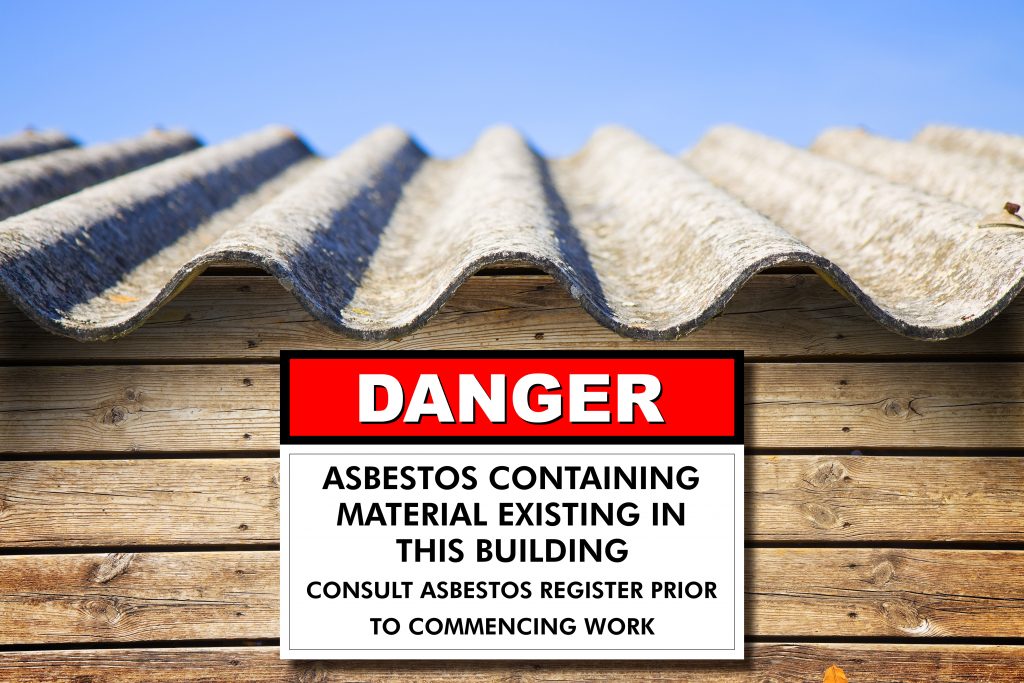
Understanding asbestos rules matters when working on older buildings. In many cases, what applies to homes doesn’t fully apply to businesses. These differences affect timelines, required certifications, and even how cleanup happens. When property owners or contractors overlook these rules, it leads to project delays or fines. That’s why our team at Top of the Line Services looks at both property type and provincial requirements before starting. We follow the latest updates closely, especially for remediation services in Calgary, where rules are actively enforced. Each building has a different risk profile, and the law treats them differently.
Commercial Sites Require More Pre-Planning
Commercial buildings often need more thorough checks before work begins. Government regulations classify many of these sites as public risk environments. Therefore, the documentation and permits needed tend to be stricter. Testing must be completed before anyone starts demolition, repair, or renovation. In contrast, homeowners often don’t know testing is legally required before removing flooring or walls.
We’ve seen commercial property owners request asbestos removal in Calgary because their insurance demands full reports. Those reports include risk ratings, material types, and control plans. When we step into a commercial site, we immediately look for posted hazard signage, historical maintenance records, and signs of previous remediation. Contractors cannot simply rely on visual inspection. Every sample must be sent to a licensed lab, and every phase of the removal process must follow a strict chain of documentation.
Residential Rules Still Carry Legal Weight
Homeowners might not realize that residential sites are not exempt from asbestos safety rules. In Alberta, provincial codes require proper testing before disturbing drywall, flooring, or insulation in homes built before 1990. While the process is simpler than on commercial sites, homeowners still face penalties for ignoring it. The difference is, enforcement usually happens after someone reports unsafe work.
In private homes, asbestos often hides in plaster walls, ceiling texture, vent insulation, or under old vinyl tiles. We’ve responded to several cases where residents unknowingly exposed their family because they tore out old materials during a remodel. For safety, we encourage homeowners to contact remediation experts in Calgary before hiring a general contractor. This early step often avoids contamination and helps the renovation stay on schedule. We also help residents understand when a permit is needed and what kind of notice the city expects before work begins.
Workplace Safety Regulations Drive Commercial Compliance
Commercial sites must follow occupational health and safety laws, which makes the cleanup process longer and more structured. These laws apply to any place with employees, visitors, or public access. So, schools, restaurants, and office towers must follow regulations that include exposure limits, air monitoring, and worker PPE.
Before workers enter any part of a commercial building suspected of containing asbestos, our crew builds a containment zone and installs HEPA filtration. Every team member must be certified and trained for that specific site class. After cleanup, a third-party hygienist conducts air clearance tests. This ensures the air meets provincial limits before anyone can re-enter the space. Even a small project like replacing ceiling tiles can require days of setup and documentation.
The standard is different from home jobs. In residential work, cleanup is still strict, but air tests are sometimes optional, depending on the materials removed and the level of containment used. To meet provincial and workplace expectations, commercial asbestos jobs usually involve a larger team, longer timelines, and more cost planning.
Insurance and Liability Look Different for Each Property Type
Homeowners usually carry policies that cover basic damage but often exclude asbestos-related costs. Commercial policies, however, may require proactive inspections and abatement before claims are honored. This creates pressure for business owners to address potential asbestos before listing properties for sale or changing tenants.
In both cases, insurance carriers want to see professional documentation. That’s why we often provide detailed service records that property managers or realtors can share. On the commercial side, one missed asbestos hazard can result in major liability claims, especially if someone experiences exposure symptoms later.
On the residential side, problems often arise during home sales. Buyers now ask for asbestos clearance letters during inspections. If they find suspicious materials, the deal can fall through or get delayed until professional removal is done. That’s why we recommend working with professionals offering licensed remediation services in Calgary to smooth this process for both sellers and buyers.
Renovation Timeline Impacts
Commercial projects take longer due to red tape, while residential jobs depend more on homeowner readiness. For example, office towers need tenant notifications, and contractors must submit asbestos control plans. Public buildings like daycares must schedule work around closures, which adds more delay. On the other hand, home jobs can begin within days of lab testing.
Still, we’ve seen home remodels stall because owners didn’t test early. Even small areas like bathroom walls or attic insulation can hold asbestos. Once disturbed, cleanup becomes more involved. That’s why we advise homeowners to start with material testing at least two weeks before planned demolition.
On large commercial jobs, the city may require daily logs, supervisor reports, and waste transfer tracking. These steps slow the process but are non-negotiable. By contrast, a home job may only require one permit, a short report, and a safe disposal record. The key is understanding what timeline fits your building type and budget.
Disposal Requirements Depend on Site Type
Disposing of asbestos follows provincial law, but commercial sites face more frequent inspections and paperwork. These projects must use approved haulers, and the landfill must accept hazardous waste. The documentation must include quantity, type, date, and location of disposal. All forms must be submitted to the proper agency, and copies kept on-site for auditing.
For residential jobs, disposal is more straightforward. Homeowners still must use licensed services, but they are not usually required to file reports with regulators. Instead, the remediation crew handles everything. We package and label the waste, transport it under license, and confirm disposal with photo records. This keeps homeowners in compliance without needing to manage it themselves.
Even so, if a homeowner attempts to throw asbestos in regular bins, they can face fines. It’s important to use professional services that meet the disposal code. We’ve had cases where homeowners unknowingly contaminated their trash bins. Cleanup then extends into the yard, garage, or neighboring properties.
Health Risk Communication Is More Formal in Commercial Projects
Businesses must document how they protect people from exposure, especially when operating during renovations. In shared buildings or public zones, we prepare notices for tenants, conduct safety briefings, and post signage before work starts. All communication follows templates outlined by safety codes.
For homes, the process is less formal. Still, we always walk homeowners through the risks and give written instructions. We recommend vacating during the cleanup and sealing off nearby rooms. We also explain how to prevent future exposure, especially if other renovation phases will follow.
One useful tip is to ask about post-cleanup sealing. We sometimes apply a lockdown agent after removing asbestos, which helps protect surfaces from future dust. This isn’t required, but it adds a layer of long-term safety.
Public Perception and Disclosure Rules
In commercial real estate, sellers often must declare known asbestos issues. These disclosures affect sale price and buyer interest. In addition, businesses with public traffic must follow stricter rules for visible signs and internal notifications. Tenants and customers have a right to know if the space has any exposure history.
Homeowners do not always face the same obligations. However, in Alberta, some municipalities encourage voluntary disclosure. Failing to inform buyers can backfire if health complaints arise later. That’s why we recommend full assessment before listing any home built before 1990.
Understanding these responsibilities protects both sides of a real estate deal. If unsure about disclosure rules, it helps to speak with an expert. We provide reports that clarify whether the property meets current standards or needs further action. You can learn more about the asbestos removal process in Calgary and what steps apply to your situation based on your property type.
Take the First Step Toward Safe Renovation
If you’re planning a project and unsure about asbestos risks, don’t wait until demolition starts. Early checks can save time, cost, and safety concerns. Our licensed technicians know what to look for and how to remove hazards properly. To speak with someone about your property, building history, or test results, reach out now. Use the form or number on our contact remediation experts in Calgary page, and we’ll help you make a clear, confident plan.
FAQ
Do homeowners need a permit for asbestos removal?
Only in certain cases. If the work affects more than a small area or includes demolition, a permit may be required.
How do commercial properties confirm asbestos is gone?
A third-party hygienist usually conducts air clearance tests before the site can reopen.
Is asbestos testing required for all buildings?
Testing is legally required for any structure built before 1990 if renovation or demolition will occur.
Can I remove asbestos myself at home?
No, Alberta law requires licensed professionals to handle asbestos due to serious health risks.
What happens if I ignore asbestos rules during renovation?
You could face fines, health exposure, and delays in permits or insurance claims.