
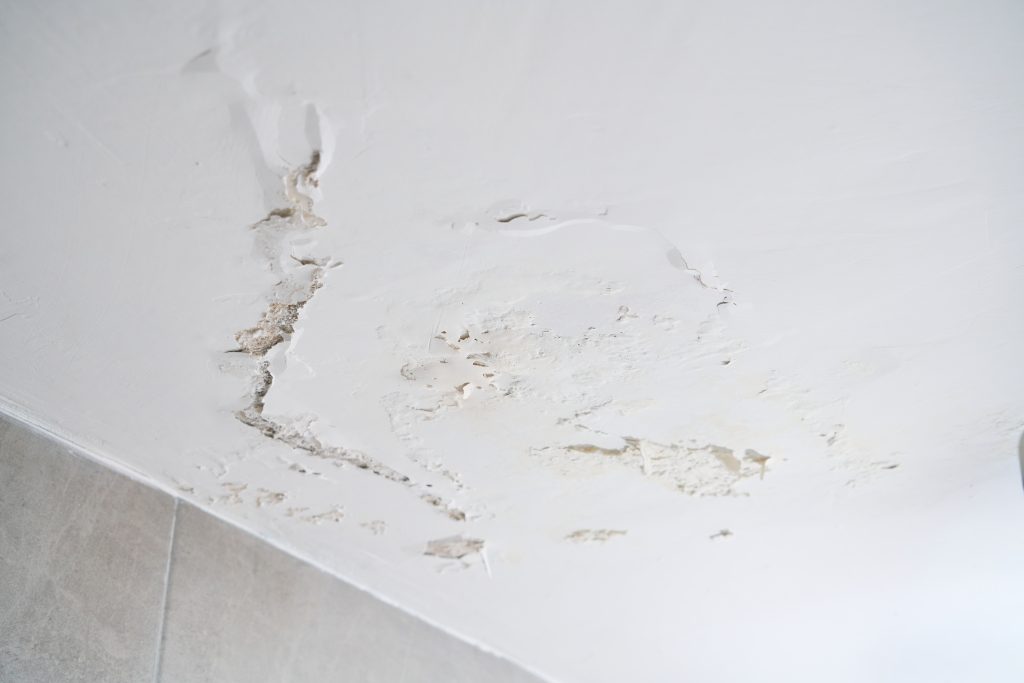
Wet walls do not always look like an emergency, and hidden water damage often starts exactly that way. Therefore, a wall can feel normal to the touch while moisture sits behind paint, baseboards, or drywall seams. At Top of the Line Services LTD sees this pattern in homes after small leaks, winter thaw cycles, and slow plumbing drips. Consequently, the sooner the signs are taken seriously, the easier it becomes to protect framing, insulation, and indoor air quality.
What “Fine” Usually Means From the Outside
A wall can look clean because the surface dries faster than the material underneath. That is to say, paint and primer can mask staining for a while, and drywall can hold moisture without showing obvious discoloration right away. At Top of the Line Services LTD often finds dampness concentrated near studs, sill plates, or the bottom edge where water wicks upward. Moreover, if the room has good airflow, the outer layer may feel dry even when the cavity remains wet.
Why Drywall and Insulation Hold Moisture
Drywall is porous, and it absorbs water like a sponge. However, the moisture does not evaporate evenly, so pockets can remain trapped in cooler areas or behind furniture. At Top of the Line Services LTD checks insulation because wet batts lose performance and can keep materials damp for longer periods. In addition, vapor barriers and multiple wall layers can slow drying, which raises the risk of odor and microbial growth.
hidden water damage Warning Signs People Miss
Most people watch for dripping or dark stains, but the early clues are quieter. For example, paint may look slightly rippled at an angle, baseboards can start to separate, or a wall may sound dull when gently tapped. At Top of the Line Services LTD also hears about “mystery smells,” because damp cavities can create a musty odor before anything looks wrong. Consequently, if a room smells off after a shower, laundry cycle, or snowmelt, it is worth treating as a moisture clue.
Small Temperature Changes Matter
Moist areas can feel cooler because evaporation pulls heat from the surface. Meanwhile, the difference may be subtle and only noticeable at certain times of day or when the furnace kicks on. At Top of the Line Services LTD uses moisture checks because touch alone is unreliable, especially when humidity rises in winter or during rainy weeks. Therefore, the goal is to confirm what is happening inside the wall, not guess from the surface.
What Happens If Moisture Stays Inside the Wall
When water remains trapped, materials start to degrade in stages. Firstly, drywall can soften, fasteners may rust, and trim can warp as it repeatedly absorbs and releases moisture. At Top of the Line Services LTD focuses on protecting structural components because repeated wetting can affect wood stability over time. As a result, what began as a small leak can turn into a repair that involves insulation removal, material replacement, and air quality cleanup.
Mold Risk Can Start Before You See It
Mold does not need a flood to begin, it needs moisture and time. To clarify, hidden dampness in dark cavities can create a suitable environment even when the room looks spotless. At Top of the Line Services LTD plans the response around containment and verification when conditions point toward growth, and the work may include targeted cleaning and removal based on what testing shows. If you suspect this risk, mold remediation calgary support helps address the source and the affected materials.
How Professionals Confirm a Wet Wall Problem
A reliable plan starts with mapping the moisture, not tearing out random sections. For instance, technicians can take readings across a wall grid, compare dry reference areas, and track moisture movement from floors, windows, or plumbing lines. At Top of the Line Services LTD builds the drying plan based on where the water traveled, because drying only the visible spot can leave damp areas behind. Consequently, proper verification at the end matters as much as the first inspection.
Drying the Structure, Not Just the Air
Fans and dehumidifiers help, but placement and containment decide whether drying is effective. In other words, equipment must move air through the right zones while pulling moisture out of materials, not just lowering room humidity. At Top of the Line Services LTD handles this step with structural drying calgary processes that focus on the wall cavity, framing contact points, and hidden saturation. Moreover, post drying checks confirm the wall returns to a stable condition.
When Smoke, Soot, or Odor Complicates Wet Walls
Some properties face mixed damage after an incident, such as water used during a fire response. However, soot residue and odor can settle into damp surfaces and become harder to remove if moisture remains. At Top of the Line Services LTD coordinates cleanup steps so drying and residue removal support each other, especially when porous materials are involved. If the issue follows an emergency, fire damage restoration planning can prevent secondary problems from spreading.
Specialty Cleaning Options After Water Events
In some cases, surfaces need non abrasive cleaning that reaches texture and tight spaces. For example, dry ice can remove residues without adding moisture, which can be useful when drying is already in progress. At Top of the Line Services LTD may consider dry ice blasting calgary when the situation calls for precise surface cleaning on framing or masonry. Therefore, the approach stays focused on removing contamination while keeping materials as dry as possible.
What to Do If You Think a Wall Is Wet
Start by noting when you first noticed changes and what happened nearby, such as a leaking fixture or a snow buildup at the exterior wall. Secondly, avoid painting over the area or sealing it tightly because that can trap moisture longer. At Top of the Line Services LTD can help you plan next steps through restoration services that focus on finding the source, drying the structure, and confirming the wall is safe to close back up. In addition, acting early usually limits the amount of material that needs removal.
FAQs
Can a wall be wet if there is no stain?
Yes, because moisture can sit behind paint and drywall while the surface dries first. Therefore, smell changes, slight warping, or cooler spots can be early clues even before discoloration appears.
How long does it take for hidden water damage to get worse?
It depends on humidity, airflow, and how much water entered the cavity. Consequently, even a slow leak can cause swelling, odor, or microbial risk within days if materials stay damp.
Should I cut a hole in the wall to check?
Sometimes a small inspection opening helps, but random cutting can miss the wettest area. In other words, moisture mapping first usually targets the right location and reduces unnecessary repairs.
Will a dehumidifier fix the problem on its own?
A dehumidifier can lower room humidity, but it may not dry trapped moisture in insulation or behind vapor barriers. Therefore, equipment placement and verification readings matter for full drying.
What is the first step professionals take when checking wet walls?
They confirm the source and map moisture spread with readings across nearby materials. As a result, the drying and repair plan addresses the full affected zone, not just the visible spot.