
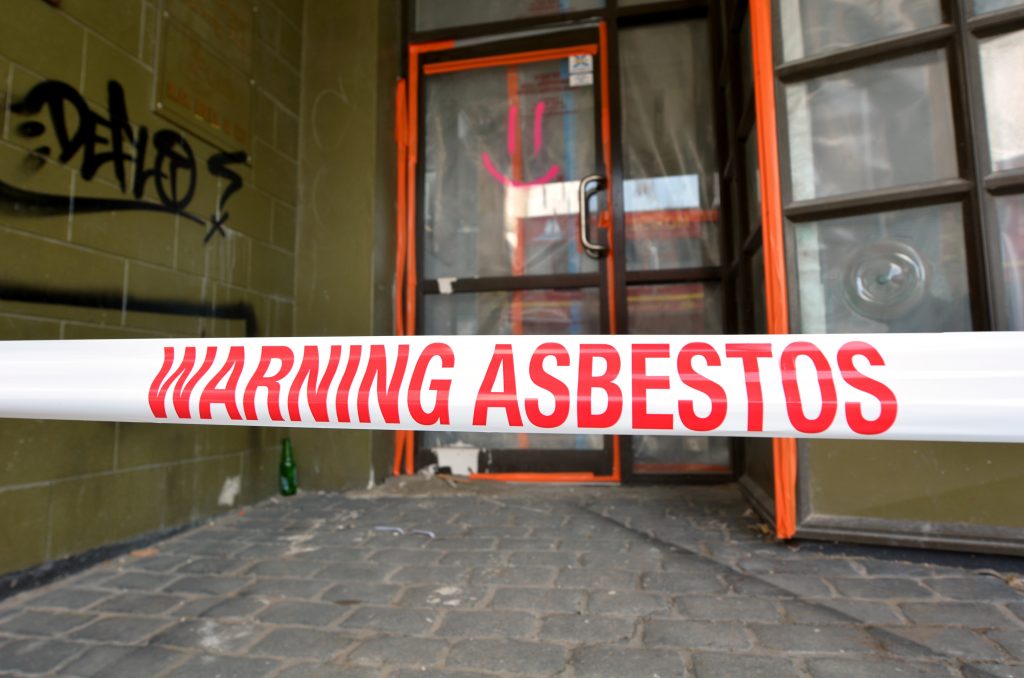
Hidden Hazards Found in older building materials can put your health at risk during a renovation. We understand that many Calgary homes built before 1990 contain dangerous minerals. Our team observes that these fibres hide in floor tiles and attic insulation. Because the fibres are tiny, they float in the air when you break them. We want to help you identify these risks before you start work. Consequently, you can avoid breathing in dust that causes serious lung problems. We believe that professional testing is the only way to stay safe. Furthermore, we use sealed rooms to keep the rest of your house clean. This process ensures that no dust reaches your kitchen or your bedrooms. We are a Property Restoration Specialist that puts your health first. Please Contact Us to test your home today.
Recognizing Dangerous Insulation in Your Attic Space
Old insulation can look like fluffy grey paper or small shiny pebbles. We find that many types of attic fill contain harmful mineral threads. Furthermore, these materials can fall through small cracks in your ceiling. This contaminates your living space without you even knowing it happened. Consequently, you should never move old insulation without a proper mask. We use high-powered vacuums to remove these hazards very safely.
Identifying Risky Floor Tiles and Black Adhesives
Small vinyl tiles from the 1970s often have mineral binders inside. We see that the black glue under the tiles is also dangerous. Additionally, these materials are safe if you do not disturb them. However, scraping the floor creates a cloud of toxic dust. Furthermore, a standard vacuum will not catch these tiny particles. Consequently, you need professional tools to clean the area correctly.
Protecting Your Air Quality During Wall Demolition
Wall plaster and drywall joint compound often contain hidden mineral additives. We find that sanding these walls is the most dangerous part. Furthermore, we build plastic tents to contain the dust in one area. We also use air machines to scrub the air while we work. This keeps the rest of your home safe for your children. Consequently, you can live in the house while we work.
Disposing of Hazardous Waste the Correct Way
You cannot simply put hazardous building materials in the regular trash. We follow strict rules to bag and label everything correctly. Furthermore, we take the waste to a specialized facility for disposal. This protects the environment and your local community from any pollution. Consequently, you fulfill all legal requirements for your home renovation project. We provide a final certificate to prove the area is clean.
The Importance of Professional Protective Gear
Standard paper masks do not stop dangerous mineral fibres from entering lungs. We use high-quality respirators that fit tightly to the face. Furthermore, our team wears full body suits to prevent carrying dust home. This ensures that no contamination leaves the work area on our clothes. Consequently, the safety of your family is never put at risk. We take every precaution to stay safe and clean.
Why You Should Not Sample Materials Yourself
Taking your own samples can release dangerous dust into your breathing air. We find that many people accidentally break tiles while trying to help. Furthermore, our pros know exactly how to take samples without making a mess. We use wet tools to stop any dust from rising. Consequently, the testing process remains safe for everyone in the house. We send everything to a certified lab for results.
FAQ
How do I know if I have asbestos?
We must take a small sample and send it to a lab. This is the only way to be sure.
Is it dangerous if left alone?
It is not dangerous if the material is in good shape. It only becomes a risk when broken.
How much does removal cost?
The cost depends on the size of the area. We provide a free estimate after we see the job.
Can I remove it myself?
No, it is very dangerous to do this without the right tools. You could contaminate your whole house.
How long does it take?
Most small removal projects take about one to three days. We work quickly to minimize any disruption.