
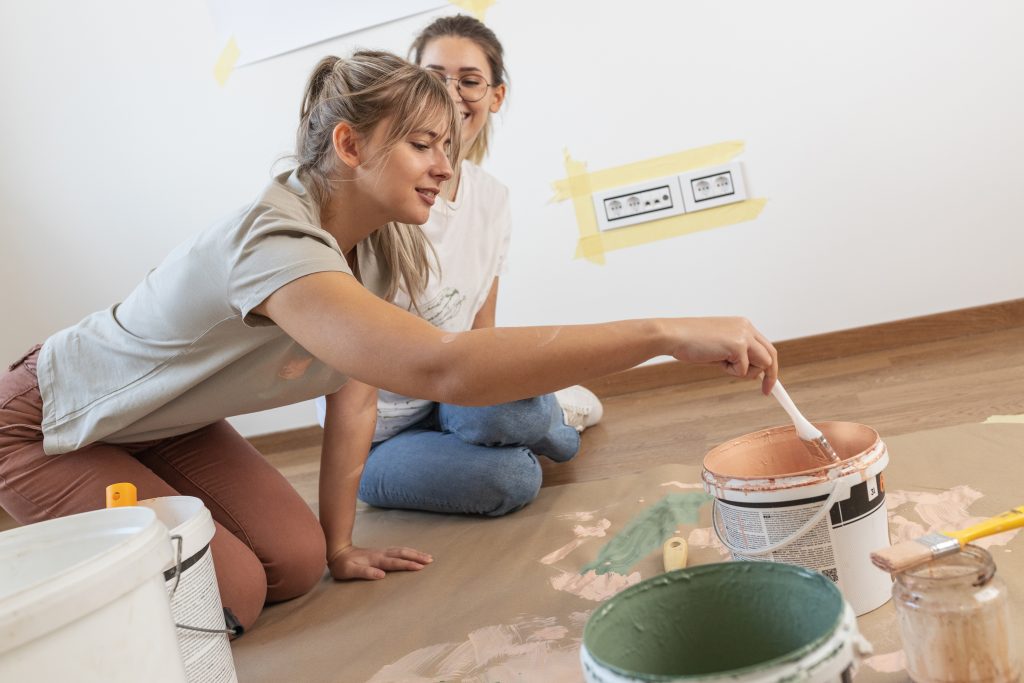
Repainting looks simple, but clean walls before painting is the step that decides whether the finish lasts. Therefore, skipping the right cleaning method can leave oils, dust, smoke film, or hidden moisture that makes paint peel, bubble, or stain through. At Top of the Line Services LTD, the goal is to help homeowners prep surfaces so the new coat bonds properly and stays even.
Why “Looks Clean” Still Fails After Painting
A wall can look fine and still hold a thin layer of grime that stops paint from sticking. That is to say, cooking grease in kitchens, hand oils near switches, and dust in hallways create a barrier that primer cannot always overcome. At Top of the Line Services LTD, we often see this after quick repaints where the finish starts to flake at corners and high touch spots.
Common Signs Your Walls Need More Than a Wipe
Most importantly, paint that feels tacky, glossy patches that never dull, or a faint odor after cleaning can point to residue still on the surface. For example, smoke film from candles or old soot can stay invisible until fresh paint dries and shows yellow or gray shadows. In addition, bathrooms may hide light mildew that returns through paint if the surface was not cleaned and dried correctly.
Clean Walls Before Painting in High Risk Rooms
Clean walls before painting becomes more important in kitchens, laundry rooms, basements, and any area with humidity or airborne grease. Consequently, the cleaning plan should match the kind of residue, not just the paint color. At Top of the Line Services LTD, we use a step by step approach so the surface ends up dull, dry, and ready for primer.
Kitchen Walls and Grease Film
Firstly, remove dry dust with a microfiber cloth or a vacuum brush so grease does not smear. Secondly, wash with warm water and a degreasing cleaner that is safe for painted drywall, then rinse with clean water to prevent soap residue. We focus on backsplash lines, cabinet edges, and areas above stoves because grease often builds there. After that, let the wall dry fully before sanding or priming.
Bathrooms and Light Mold Risk
Moisture makes bathrooms tricky because the wall can hold dampness even after it feels dry. To clarify, paint can trap that moisture and create bubbles or future staining. At Top of the Line Services LTD, we recommend addressing any musty odor or spotting before repainting, and serious growth may require professional help like mold remediation Calgary. Likewise, improving ventilation and drying time protects the new paint.
When Smoke or Soot Is the Real Problem
If a home had a small fire, heavy candle use, or furnace puff back, normal washing may not remove the film. Therefore, the wall can keep releasing odor and staining through primer. At Top of the Line Services LTD, we handle tougher residue through processes tied to fire damage restoration so the surface becomes stable and paint ready.
The Right Way to Remove Soot Without Spreading It
Dry cleaning comes first, not water. That is to say, soot acts like fine charcoal, and water can push it deeper into drywall texture. We start with controlled dry removal, then move into targeted cleaning methods that limit smearing, and finally seal and prime when the surface passes wipe tests. For example, stubborn residues on masonry, framing, or textured areas may respond better to dry ice blasting Calgary because it lifts residue without soaking materials.
Hidden Moisture Can Ruin Fresh Paint
Sometimes the wall fails because the issue is not dirt, but moisture inside the material. Consequently, repainting too soon after a leak can trap dampness and cause blistering, soft drywall, or recurring stains. At Top of the Line Services LTD, we check for damp zones and verify drying before any finish work begins.
What Proper Drying Looks Like Before Paint
Drying is not just waiting a day with a fan. In other words, the wall needs consistent airflow, controlled humidity, and time for moisture to leave the cavity, not only the surface. We use professional drying steps similar to structural drying Calgary when water affected areas need verified results. After that, repairs and primer can lock in a clean base for the new coat.
A Simple Prep Checklist That Makes Paint Stick
Clean walls before painting works best when each step supports the next. Firstly, protect floors and remove switch plates so edges get cleaned. Secondly, dry dust the wall top to bottom, then wash using the right cleaner for the residue type, and rinse when needed. Moreover, let walls dry completely, lightly sand glossy or repaired areas, remove sanding dust, and prime stains or repaired patches. At Top of the Line Services LTD, more guidance and service options can be found through restoration services in Calgary when cleaning, odor, smoke, or moisture issues make repainting risky.
FAQs
What is the biggest mistake people make before repainting?
Most people paint over residues like grease, dust, or smoke film. Therefore, the new paint cannot bond well and may peel or stain through.
Do I need to rinse after washing the walls?
Yes in many cases. That is to say, leftover cleaner can act like a barrier and cause poor adhesion, so a clean water wipe helps.
Can I paint if the wall feels dry but had a recent leak?
Not always. Consequently, moisture can still be inside the drywall or framing and may bubble the paint later.
Is bleach the best choice for bathroom wall cleaning?
Not usually for painted drywall. In other words, a proper cleaner and moisture control work better, and visible growth may need professional remediation.
How do I know the wall is ready for primer?
A good sign is a dull, clean surface with no oily feel and no discoloration on a white cloth wipe. Moreover, the wall should be fully dry before priming.